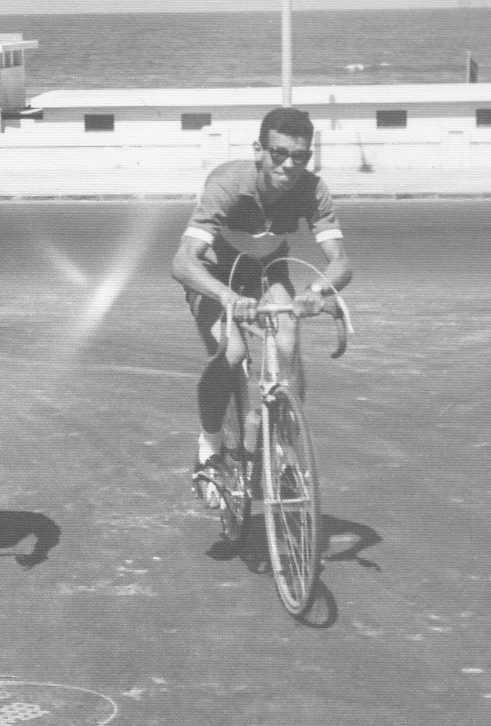
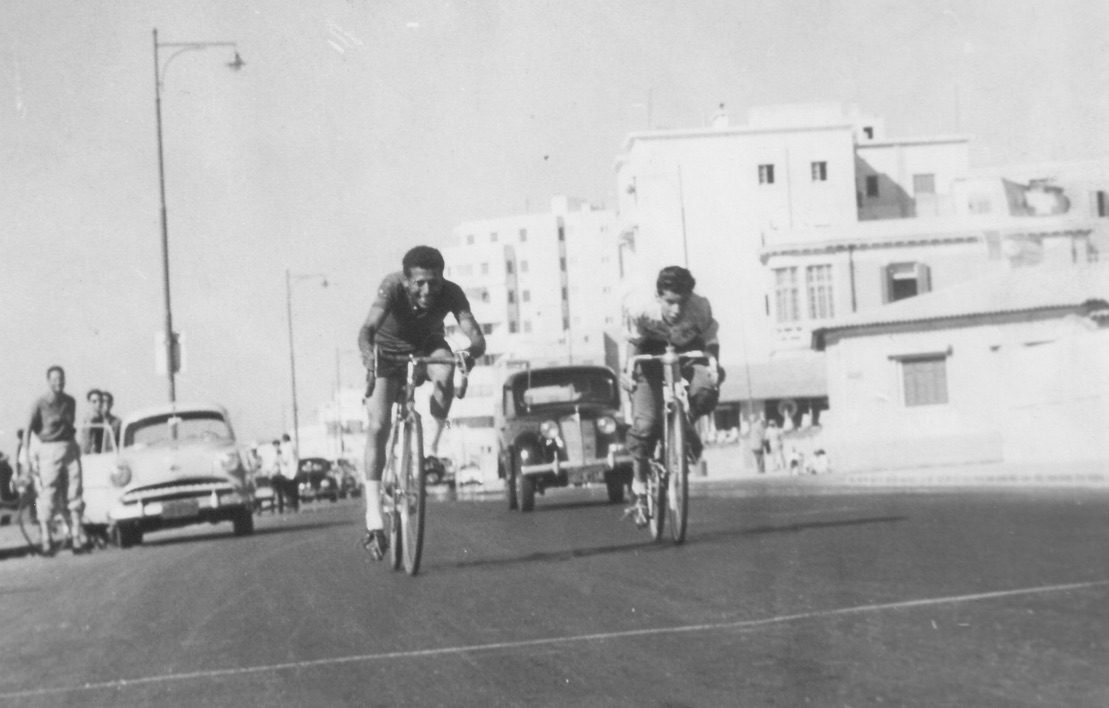
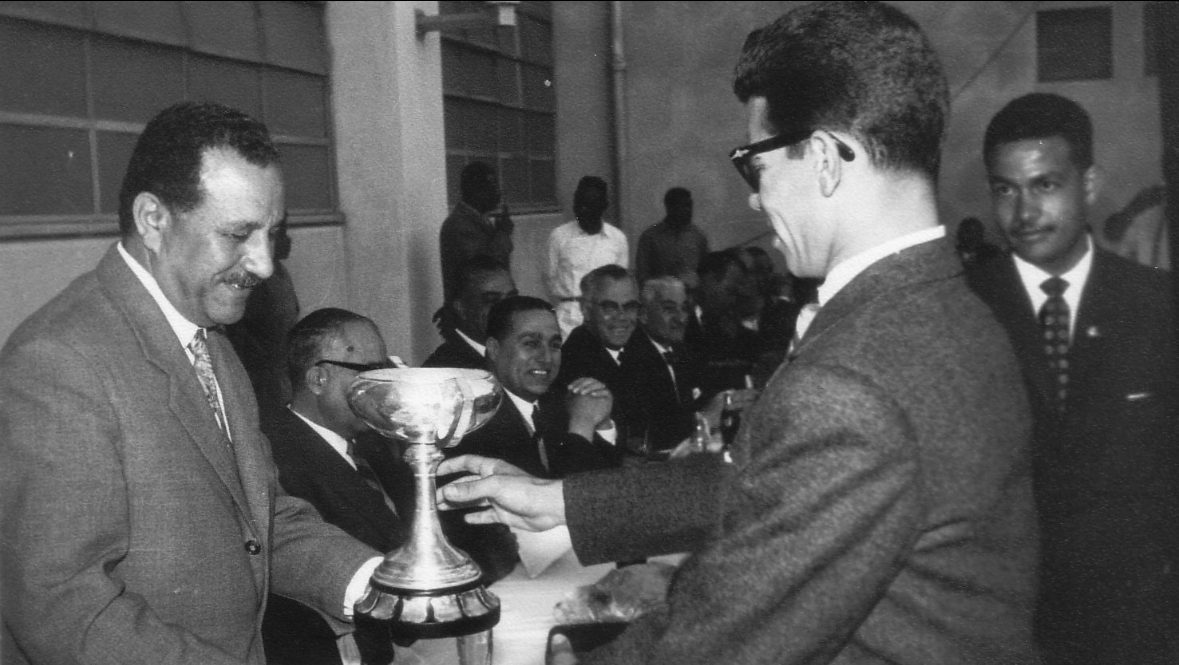
My father
Where it started, in Egypt.
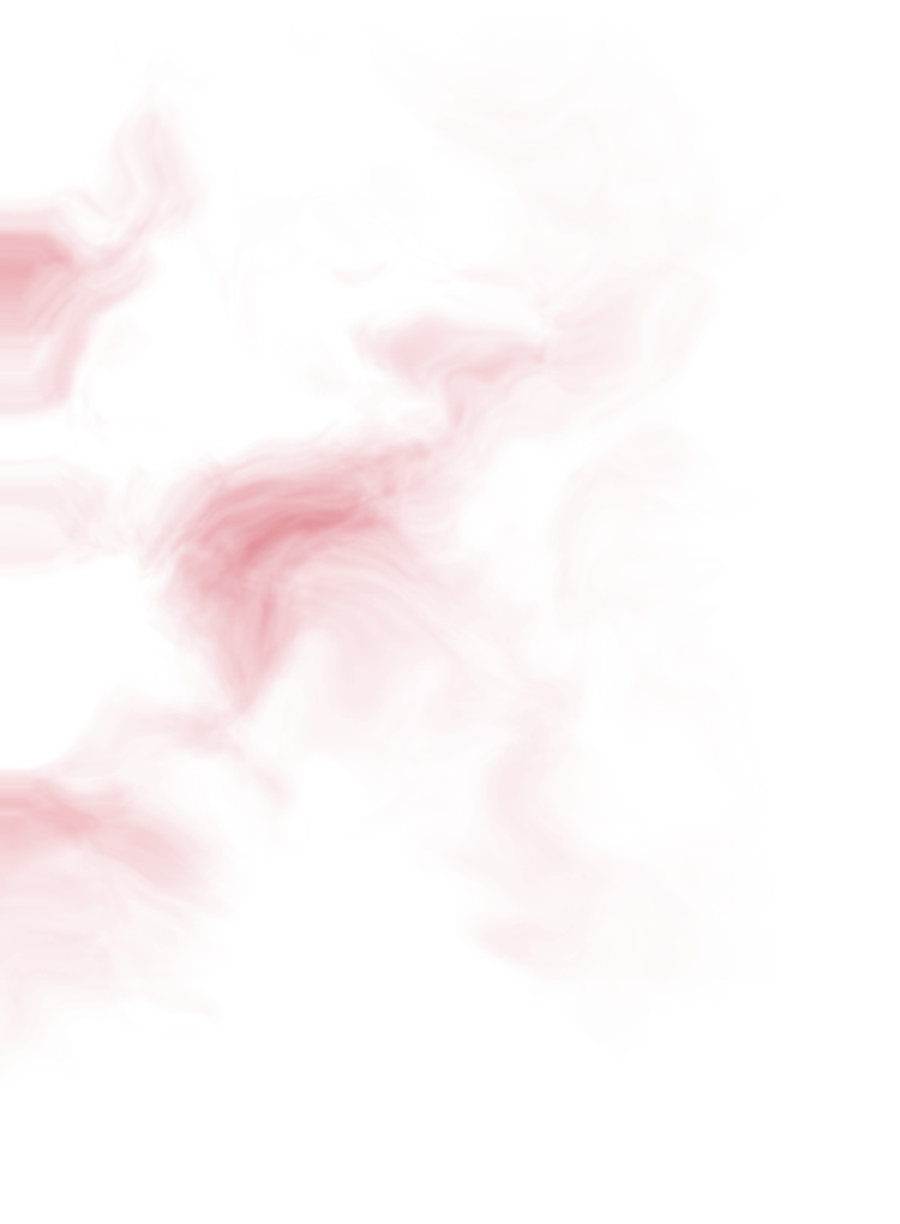
A cross-section of the brain.
The white is normal function.
The red is where Moyamoya restricts blood flow.
Karim Puff (KP), set into the red.

Moyamoya is Japanese for “puff of smoke.”
Moyamoya is most common in East Asia, but it is found all over the world, in people of every background and every age. In 1957, two Japanese doctors, Takeuchi and Shimizu, published the first report of it. In 1969, Drs. Suzuki and Takaku gave it the name moyamoya, after the hazy tangle of tiny blood vessels that forms as the brain tries to work around its narrowing arteries. On a brain angiogram, it looks like a puff of smoke.
That puff of smoke is the “Puff” in Karim Puff Foundation.
It was a summer day like any other. I was sitting outside, feet up, relaxed, talking and laughing with my youngest daughter, Nora. Ten seconds later, she was asking me, “Are you OK, Dad?”
I didn’t know why she was asking. I had just had a loss of consciousness accompanied by a seizure. Afterward I felt completely normal, as if I were waking from a dream I couldn’t remember.
If Nora had not been there to see it, I would never have known. There would be no diagnosis, no Karim Puff Foundation, and you would not be reading this.
Because I felt fine, it took strong encouragement from my family and my good friend Adriano before I went to the emergency room the next day, July 30, to get checked out. One moment my life was ordinary. The next, I was a patient, and nothing about it felt ordinary anymore.
Then came the tests, and the waiting. Anyone who has waited on a scan knows that kind of quiet. You replay everything. You make promises to yourself. You look at the people you love a little longer than usual.
Then the waiting ended with a diagnosis I had never heard of before that summer: adult Moyamoya disease. Each year, about 2,000 people in the United States hear those words for the first time, roughly 1 in 175,000, and that number is rising. It is a rare, progressive cerebrovascular disease in which the arteries that supply the brain slowly narrow and close. Left untreated, it can lead to strokes and bleeding in the brain that can be disabling, and sometimes fatal. There is no cure. Surgery can reroute blood around the blockages and lower the risk of stroke, but it does not stop the disease.
I won’t pretend I was calm. There was fear, and there was despair. I have spent most of my life trusting my body to carry me up hills, and suddenly I didn’t know what it was doing.
For a second opinion, we turned to Stanford, one of the world’s leading centers for Moyamoya. The recommendation: double bypass surgery on both sides of my brain.
My scars tell the story of a lifetime of racing: road rash more times than I can count, compound leg fractures and the surgeries to repair them. I always knew how to come back from those. This is different. This is my brain. This is open brain surgery, and it is something I still cannot fully comprehend. But the risks of doing nothing far outweighed the risks of surgery.
At the end of our consultation, I asked Dr. Gary Steinberg one last question: “If I were your son, would you recommend this?” He did not hesitate. “Absolutely.”
That was all I needed to hear. That day, my family and I made the decision to move forward: two separate operations in December 2026, and three weeks in Palo Alto, California, 2,000 miles from home.
Cycling runs deep in my family.
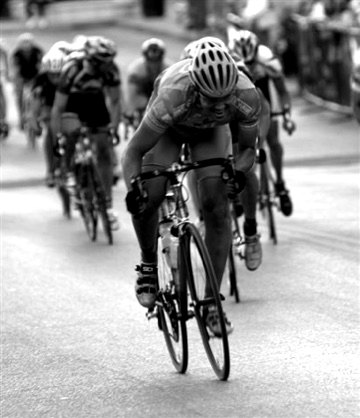
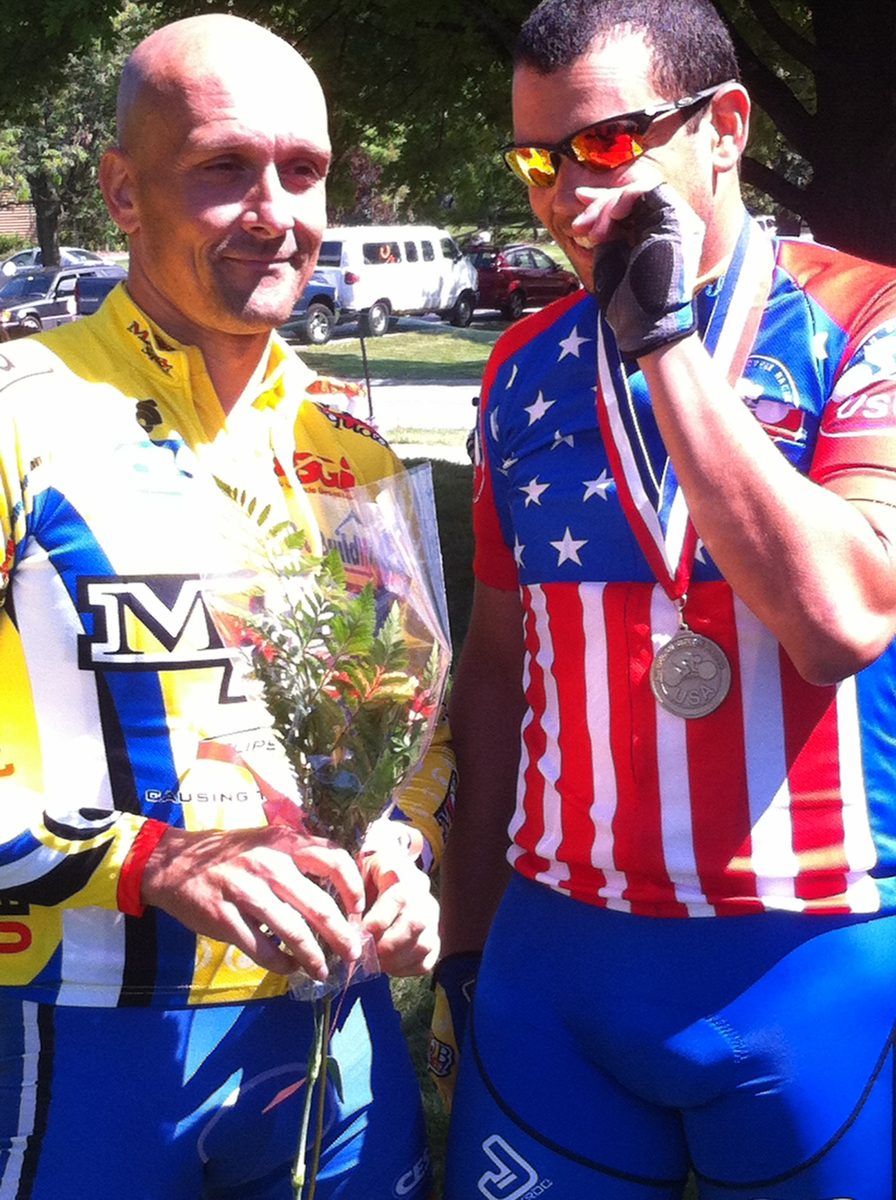
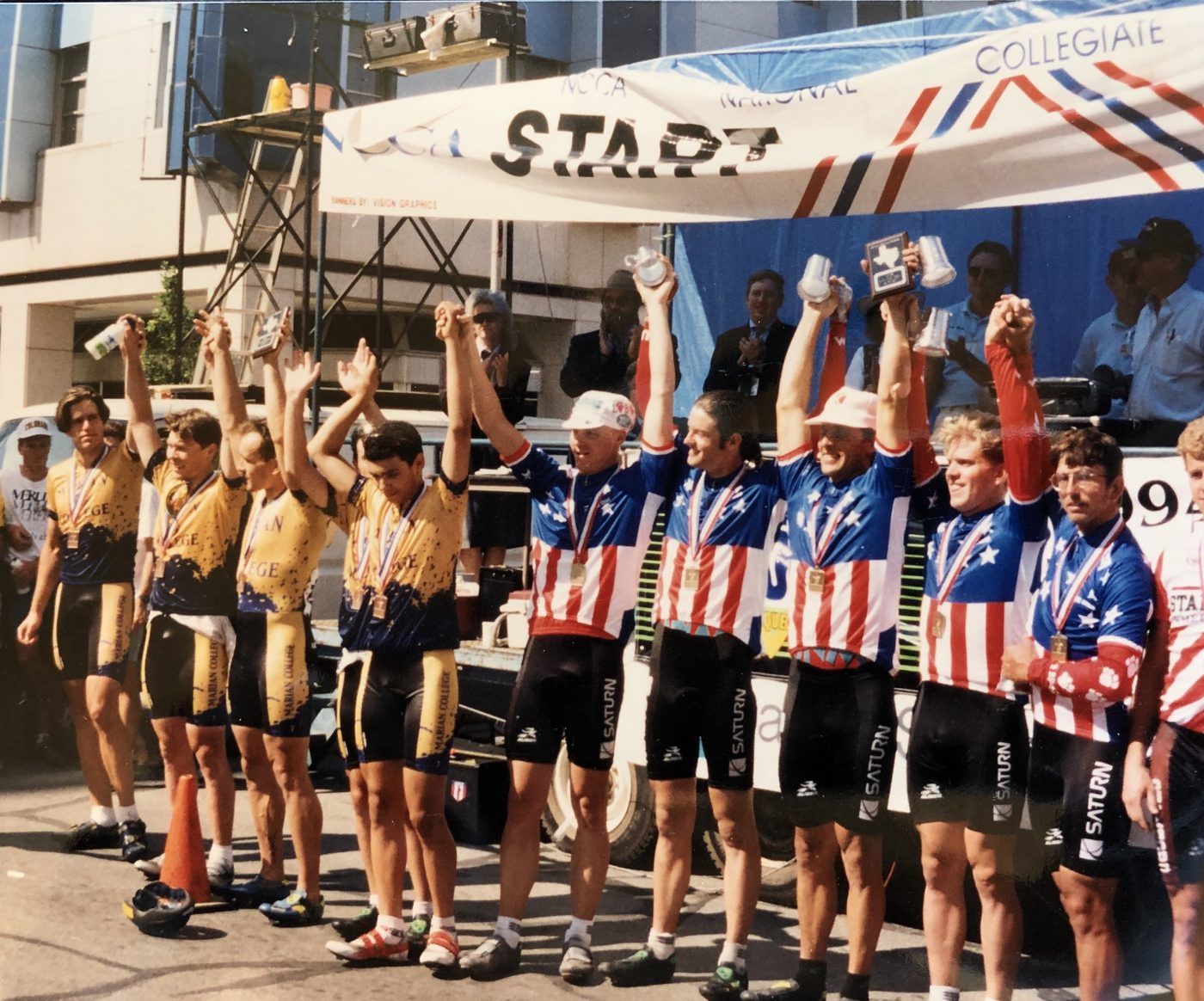
I am a second-generation competitive cyclist. My father raced before I did. I grew up on a bike and started racing at 13. For me, the sport has meant freedom, endurance and community, from Bloomington’s back roads to nationally and internationally recognized races. It has also been my medicine: physically, psychologically and spiritually. Cycling is where I go to get strong, to clear my head and to find peace.
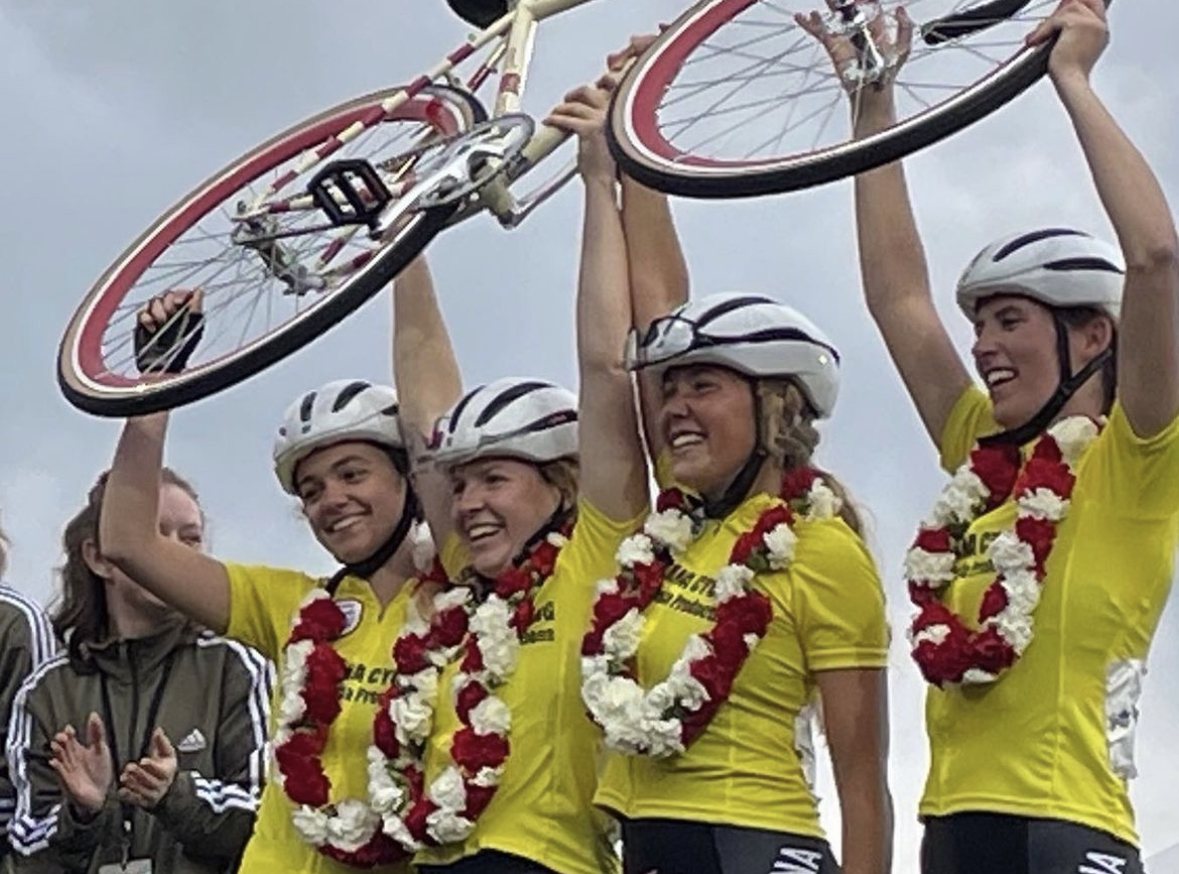
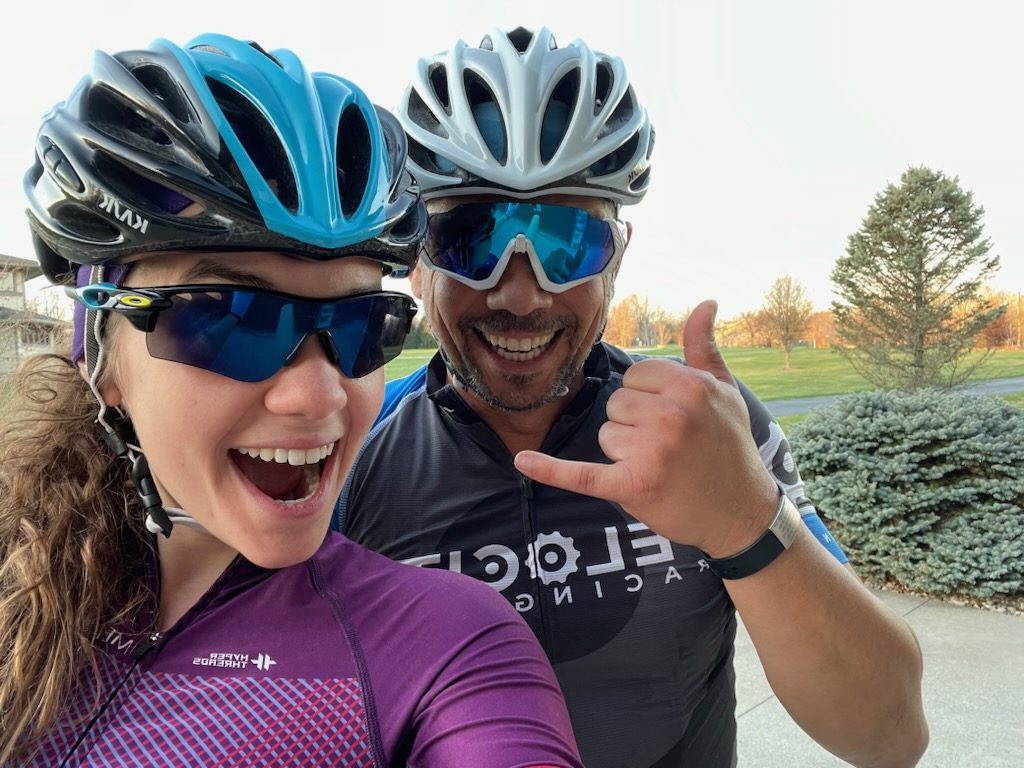
Now my daughter Nora is an avid cyclist too. When she raced, I watched her lift a bike over her head with her teammates after winning a major cycling event, and I know exactly what that feeling is. And I see what else cycling gives her. It has become her medicine too: the place she goes to get strong, to clear her head and to find her own peace.
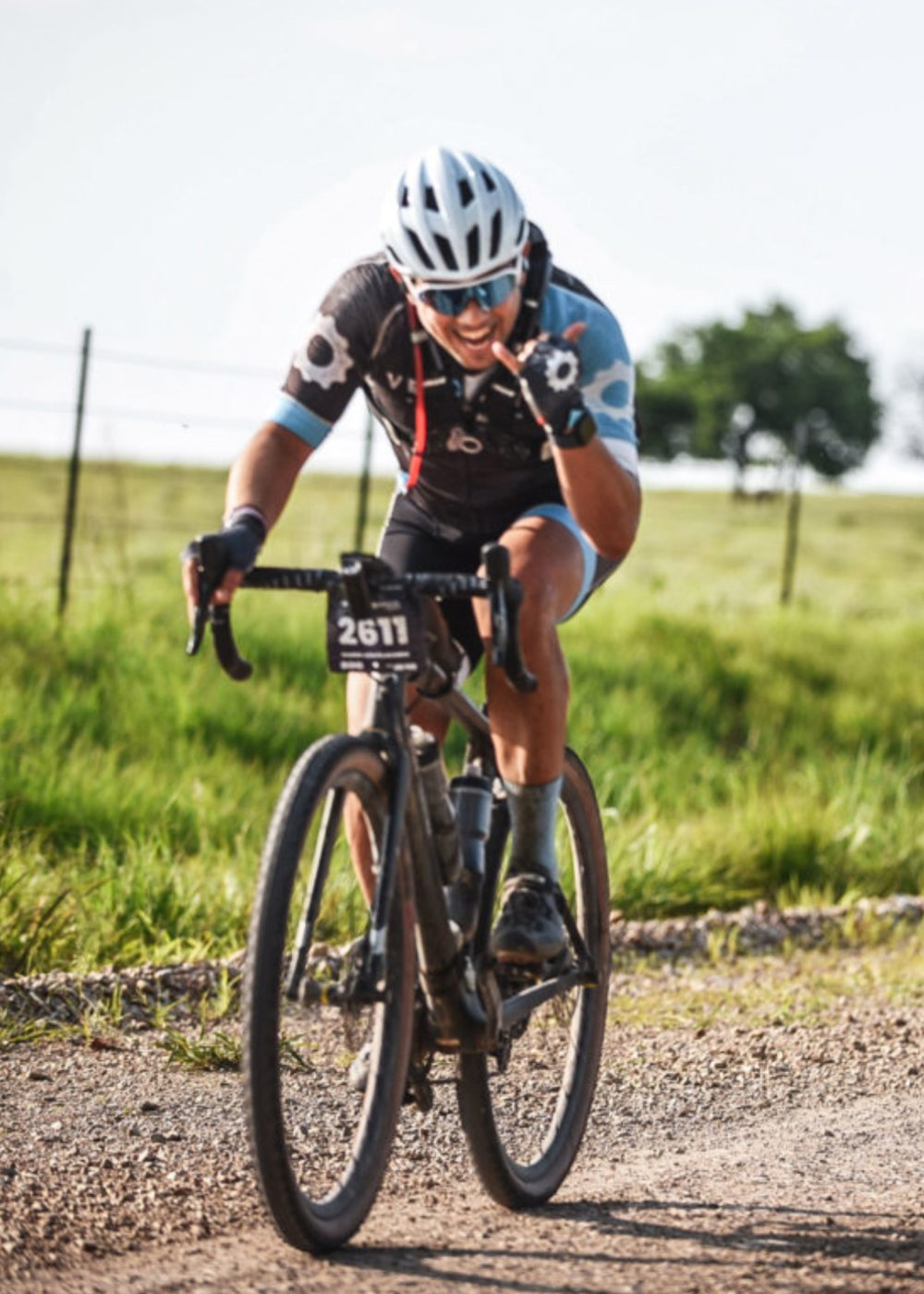
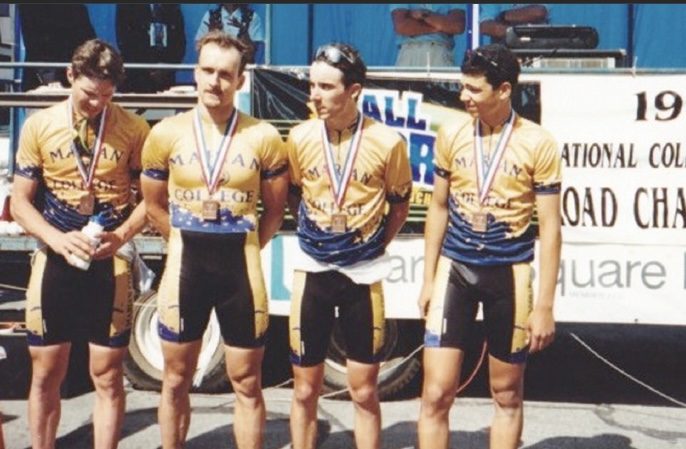
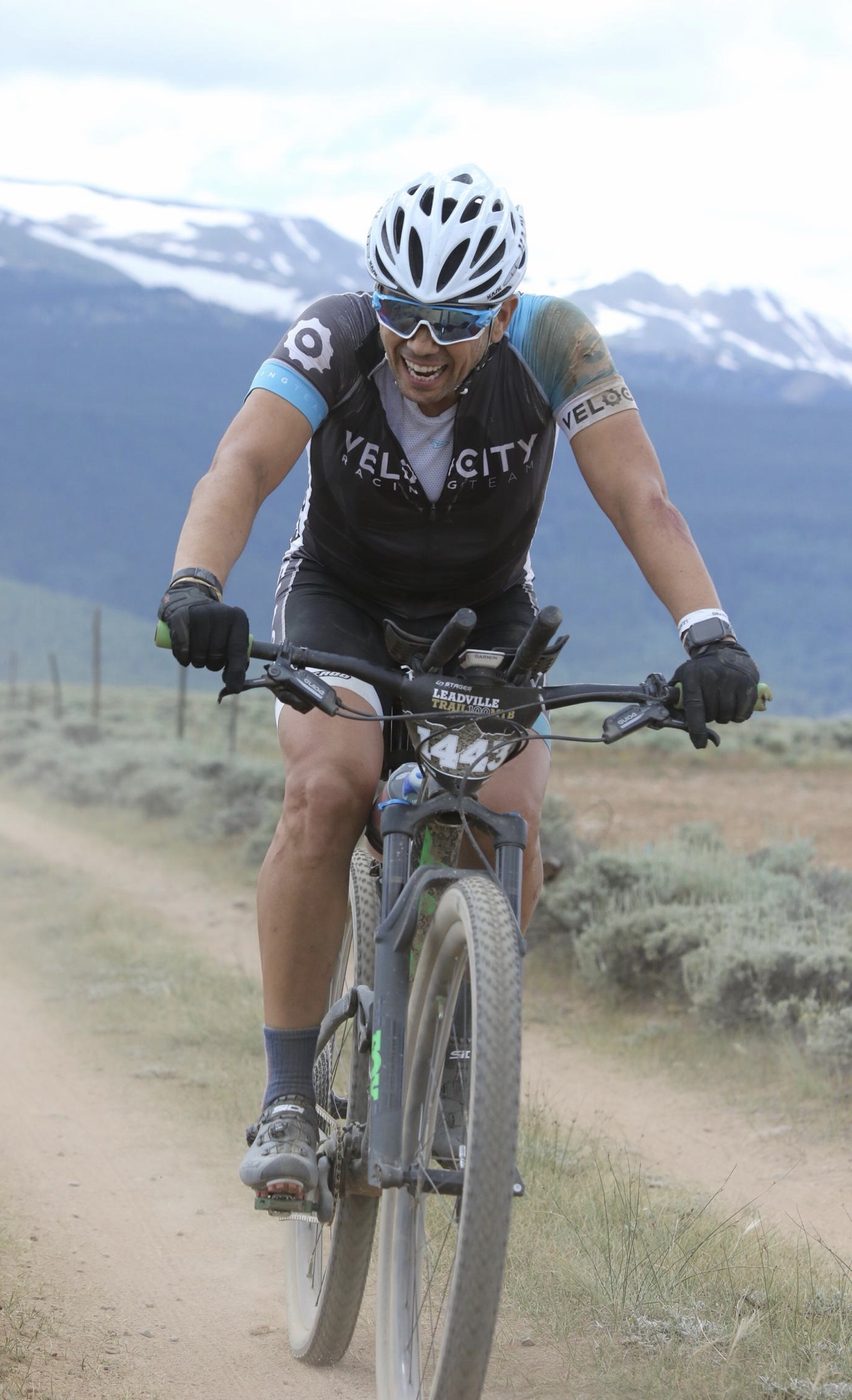
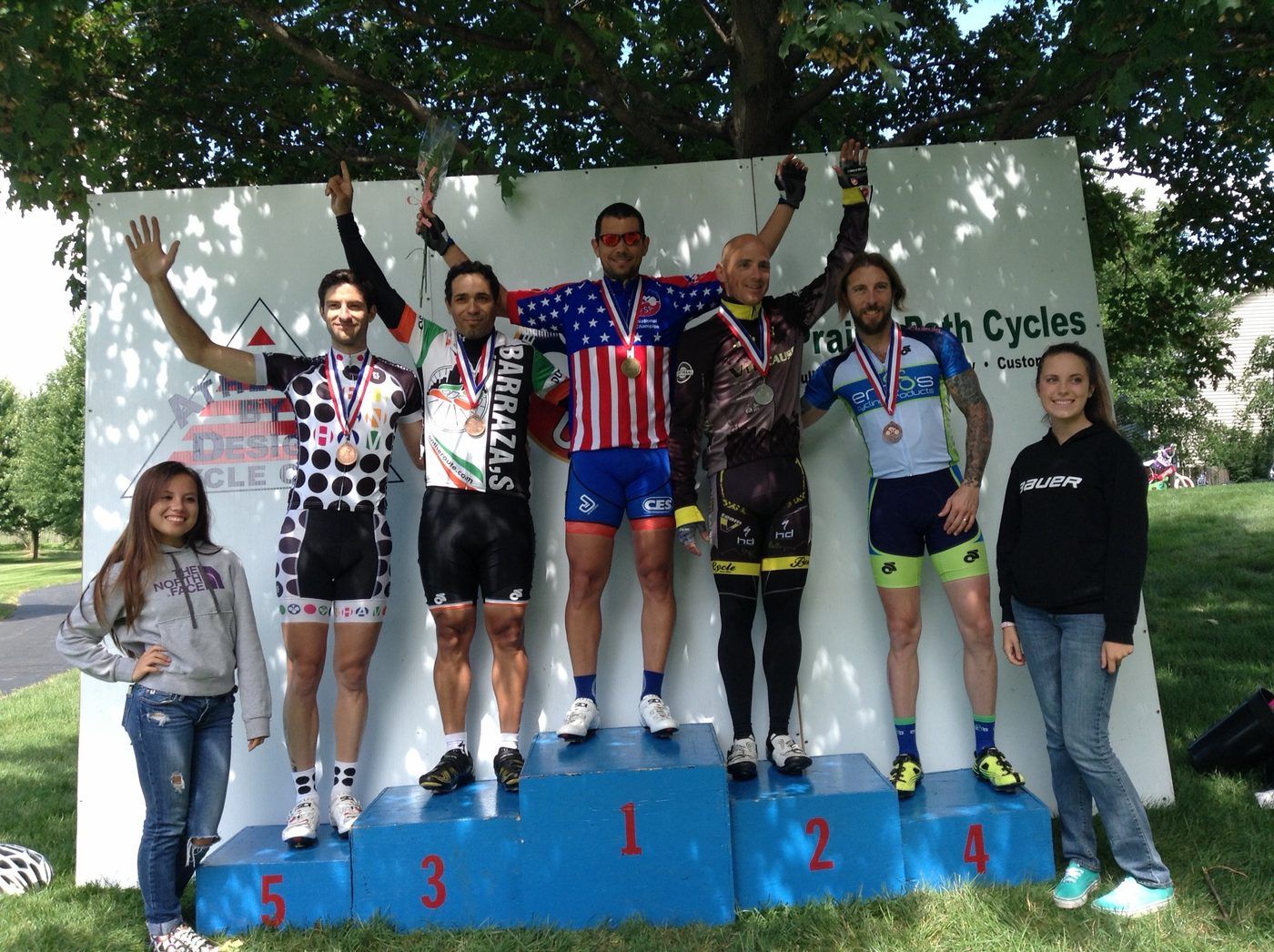
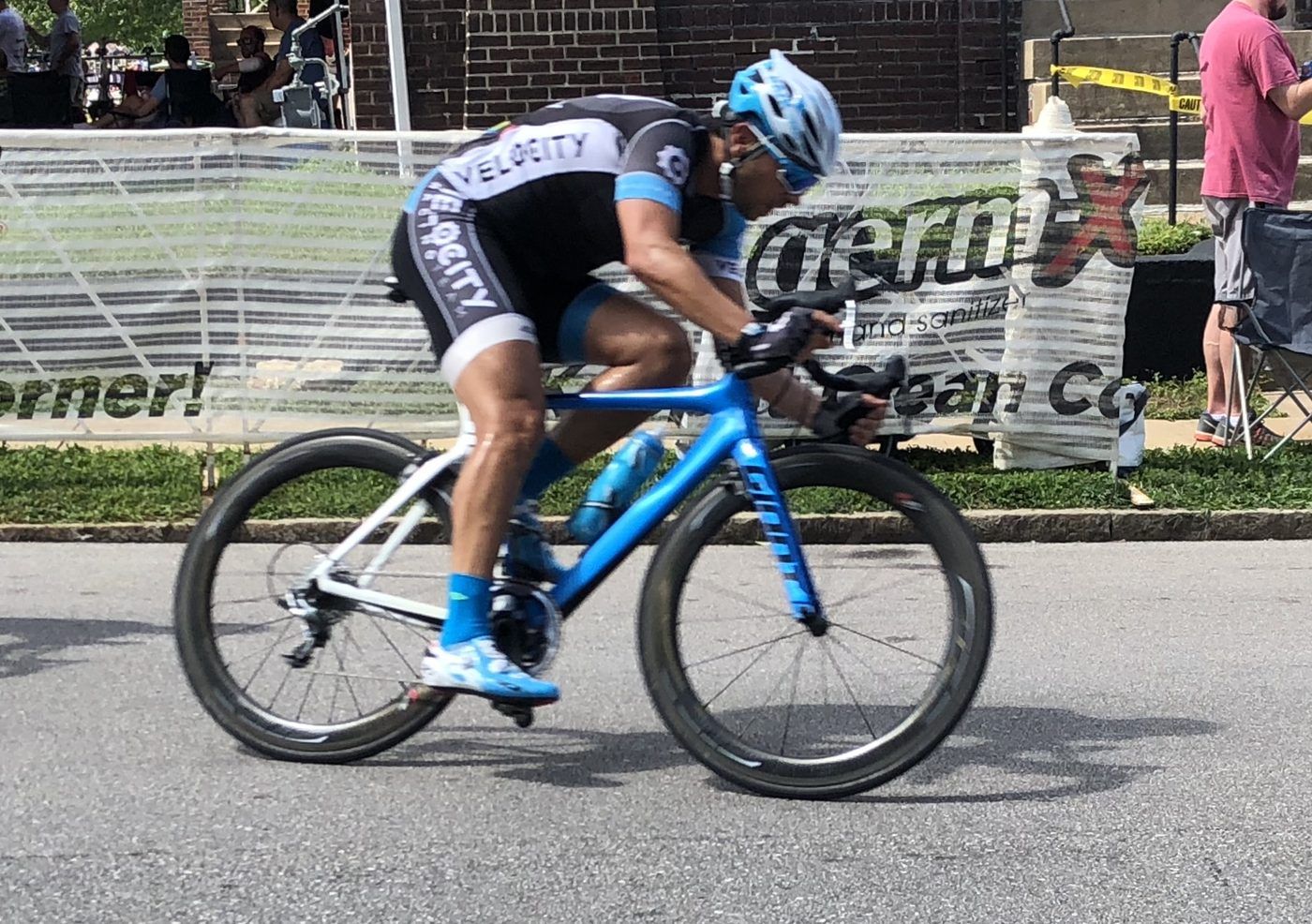
Cycling teaches you how to suffer, and how to keep going anyway. Long climbs. Headwinds that don’t let up. The last hour of a race when your legs have nothing left and you keep turning the pedals because the finish only comes if you do.
It teaches you to breathe, to look up the road instead of at your front wheel, and to trust the people riding beside you. My medical team thinks decades of consistent training and racing pushed my brain to grow more of those tiny backup vessels, the puff of smoke itself, and that they may have kept me from a major stroke until now. But those vessels are fragile. They bought me time, not a cure. And cycling is still teaching me how to face this.
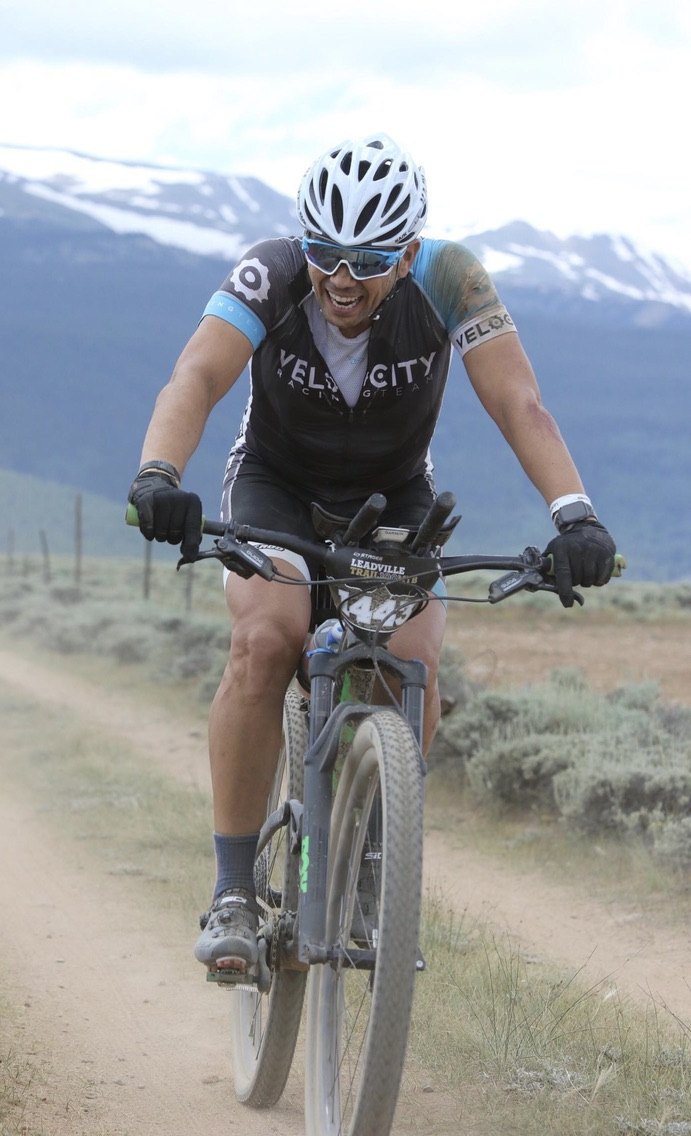
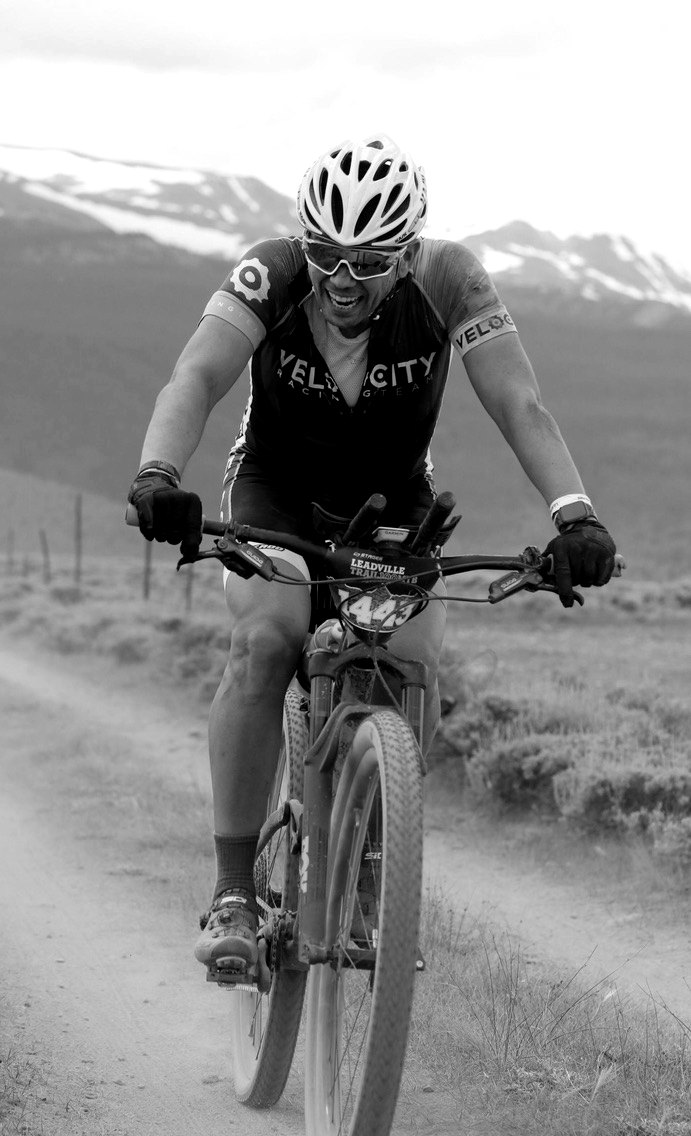
I didn’t choose the diagnosis.I can choose what I do with it.
So I am taking the fear, the unknown and everything the bike taught me, and using all of it to help someone else.
I spent more than 25 years in the biopharmaceutical industry. I have seen what awareness, research and funding can do for people living with rare diseases. Now I see it from the other side, as a patient.
Rare does not mean insignificant. Every one of those 2,000 new diagnoses a year is a person and a family, and every story we share helps bring this disease out of obscurity.
The Karim Puff Foundation exists so more people know the name Moyamoya and recognize the signs early, so patients and families don’t face it alone, and so research, care and support get the funding they need. It starts in Bloomington, on the roads that made me, with the Karim Puff Ride.
If you have read this far, thank you. I would love for you to ride with us.